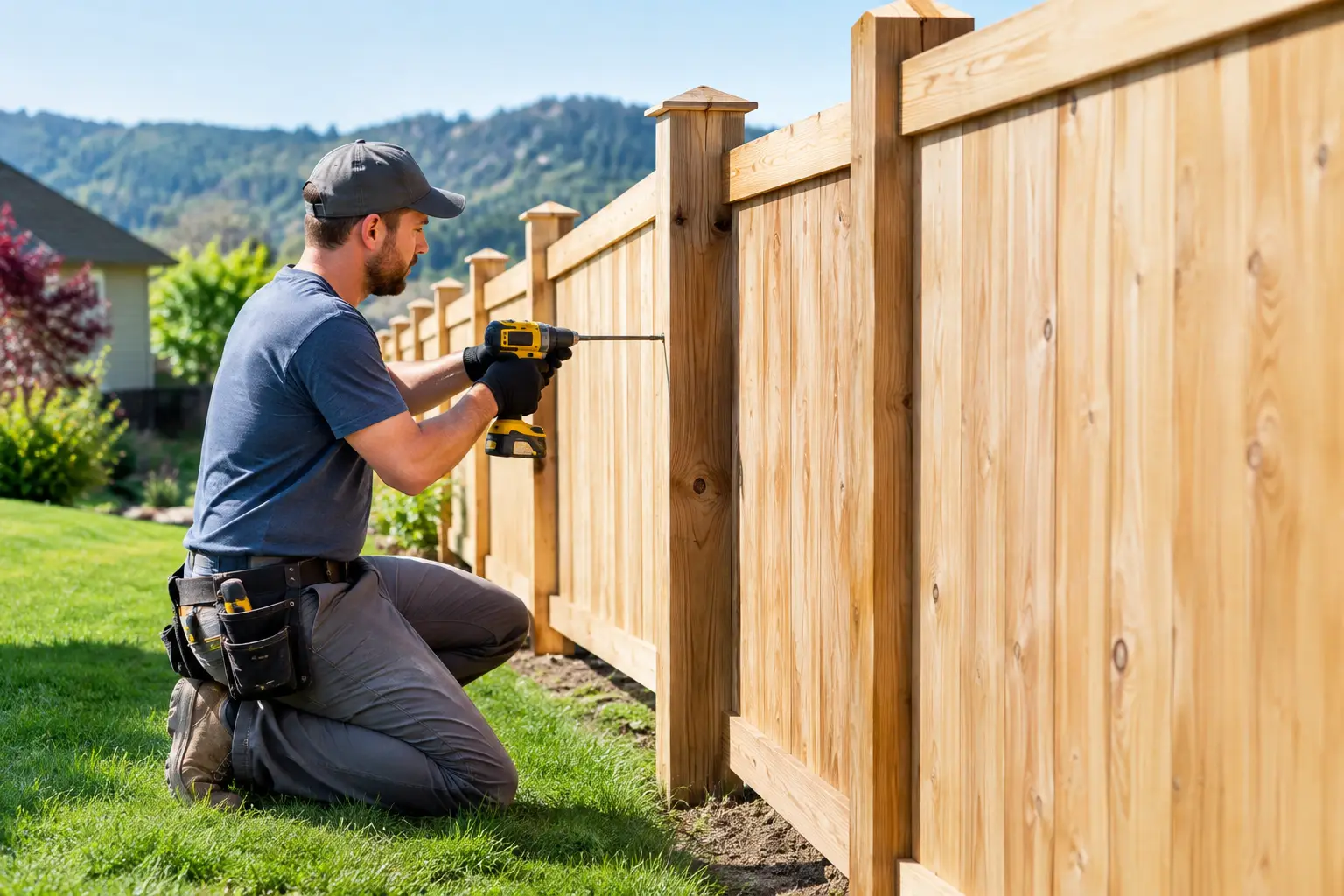
A good fence does more than mark a property line. It gives dogs and children a safer place to play, creates privacy from nearby homes, improves curb appeal, and helps define how an outdoor space is used. For fence installation Medford property owners can rely on, the work has to begin with the conditions on the ground, not simply with a style chosen from a catalog.
Southern Oregon properties can have uneven grades, rocky soil, summer heat, winter rain, and exposure to wind. A fence that looks straight on installation day but is not properly planned or set can shift, sag, or deteriorate long before it should. The right material, layout, and installation method make the difference between a short-term fix and a lasting improvement.
Why Fence Installation in Medford Starts With the Site
Every property presents a different set of practical questions. Is the fence meant for privacy, pet containment, security, or appearance? Does the yard slope? Are there mature trees, irrigation lines, utility areas, retaining walls, or existing structures that affect the layout? These details should be considered before posts are set.
Property lines deserve particular attention. Installing a fence without confirming the boundary can lead to an expensive dispute with a neighbor. If there is any uncertainty, review available property records and consider a survey before construction begins. It is also wise to discuss shared boundary fences with adjacent owners early, especially when the height, material, or finished side of the fence may affect both properties.
Local requirements can also affect the project. Height limits, setback rules, and permit needs can vary based on the property and location. A front-yard fence may be treated differently than a backyard privacy fence. Commercial sites and corner lots may have additional visibility considerations. Clear planning protects the investment and helps avoid having to change completed work later.
The ground itself matters just as much. Posts need stable placement and proper depth for the fence style, soil conditions, and expected wind exposure. A lightweight decorative fence and a tall solid privacy fence place very different demands on the post system. The visible boards or panels get the attention, but the posts, rails, fasteners, and footings carry the load.
Choosing a Fence Material That Fits the Job
There is no single best fencing material for every Medford property. The right choice depends on maintenance expectations, budget, desired appearance, privacy needs, and how much weather exposure the fence will receive.
Wood fencing for warmth and privacy
Wood remains a popular choice for homeowners who want a traditional look and strong visual privacy. It works well around backyards, patios, gardens, and outdoor living areas. It can also be built in a range of heights and layouts, from simple board fencing to more detailed designs that complement a home.
Wood does require regular care. Sun, moisture, and ground contact can shorten its service life when materials are not selected and installed carefully. Quality lumber, proper spacing, sound post installation, and protective finishes help a wood fence hold up better. Homeowners should plan on periodic cleaning, staining, sealing, or repairs as part of ownership.
Metal fencing for strength and lower maintenance
Metal fencing can be a practical choice when strength, visibility, and long-term durability matter. It is often a good fit for side yards, larger properties, pet areas, driveways, and light commercial locations. Depending on the product, metal fencing can provide an open look without giving up a defined boundary.
The trade-off is privacy. Open metal styles do not block views in the same way as a solid wood fence. Privacy can sometimes be added through landscaping or selected screen materials, but those additions should be planned so they do not put unnecessary load on the fence structure.
Chain-link fencing for function and value
Chain-link fencing is a dependable option for enclosing a yard, protecting equipment, creating a dog run, or securing a work area. It is usually more budget-conscious than many privacy-fence options and can cover larger areas efficiently. Vinyl-coated chain link can also offer a cleaner appearance than traditional galvanized material.
It is not always the first choice for a front yard or a highly visible patio area, but it is hard to beat for straightforward containment and security. Adding privacy slats or planting along the fence line can improve screening where needed.
Vinyl and composite options
Vinyl and composite fencing appeal to property owners looking for a clean, consistent finish and less routine maintenance. These materials can offer privacy and a polished appearance without the staining schedule associated with wood. Product quality matters, however. Lower-grade materials can fade, crack, or become brittle over time, especially in areas with strong sun exposure.
The frame and post system still need careful installation. A low-maintenance fence is not a no-planning fence. Proper support, secure rails, and allowance for material movement help protect the finished result.
Design Decisions That Affect Everyday Use
A fence should work with the property rather than make it harder to use. Gate placement is one of the most common details homeowners wish they had considered sooner. Think about where trash bins move, how lawn equipment enters the yard, where guests walk, and whether a future deck, shed, or garden area may need access.
A narrow gate may be enough for foot traffic, while a wider double gate can make room for a mower, trailer, or service access. Gate hardware should be selected for the gate’s weight and frequency of use. A gate that drags or will not latch correctly becomes a daily frustration, even when the rest of the fence looks good.
The finished side of the fence also deserves a conversation during planning. Many homeowners prefer the more attractive face to point outward toward neighbors or the street. This choice can affect the rail layout, cost, and appearance from both sides. It is best decided before materials arrive, not after the installation is underway.
For sloped yards, fence lines may follow the ground or step down in sections. Following the grade can create a more natural appearance, but it may leave gaps under the fence on steeper terrain. Stepped sections create a more level top line, though they can look more segmented. The best approach depends on the slope, the fence style, and whether pets or privacy are the main priority.
Quality Installation Is What Keeps a Fence Standing Straight
Fence materials matter, but workmanship determines how those materials perform together. Posts should be aligned, set at appropriate depth, and braced correctly while the installation takes shape. Rails need consistent spacing, panels need secure connections, and fasteners should be suitable for the material and outdoor exposure.
Drainage should not be overlooked. Water collecting around posts can contribute to movement, rot, or premature wear, particularly with wood. On properties with drainage issues, the fence project may need to work alongside grading, gutter discharge, or other exterior improvements. Addressing connected conditions can protect both the fence and the home.
A professional installation also pays attention to the small details: clean transitions at gates, even board spacing, tidy cuts around changes in grade, and a layout that does not interfere with existing features. These are the details that make a fence look intentional instead of improvised.
Plan the Project Around Long-Term Value
The lowest initial price is not always the lowest cost over time. Thin materials, undersized posts, weak hardware, and rushed installation can lead to early repairs or full replacement. On the other hand, it does not always make sense to buy the most expensive option for a temporary enclosure or a low-visibility service area.
A practical fence plan matches the investment to the purpose. A front-facing fence may call for more attention to style and finish. A backyard privacy fence may prioritize solid construction and durable materials. A utility enclosure may need simple, functional access. Honest guidance helps property owners choose where it makes sense to spend more and where a simpler solution will perform well.
Joe Hobson Construction approaches exterior work with that same practical focus: build it for the property, the weather, and the way the owner will use it. Clear communication before work begins helps prevent surprises and keeps the project moving in the right direction.
If a worn-out fence is leaning, a new yard needs a defined boundary, or an outdoor space needs more privacy, start with a conversation about the site and the goal. A free estimate can turn a rough idea into a fence plan that feels right for the property and is built to keep doing its job.