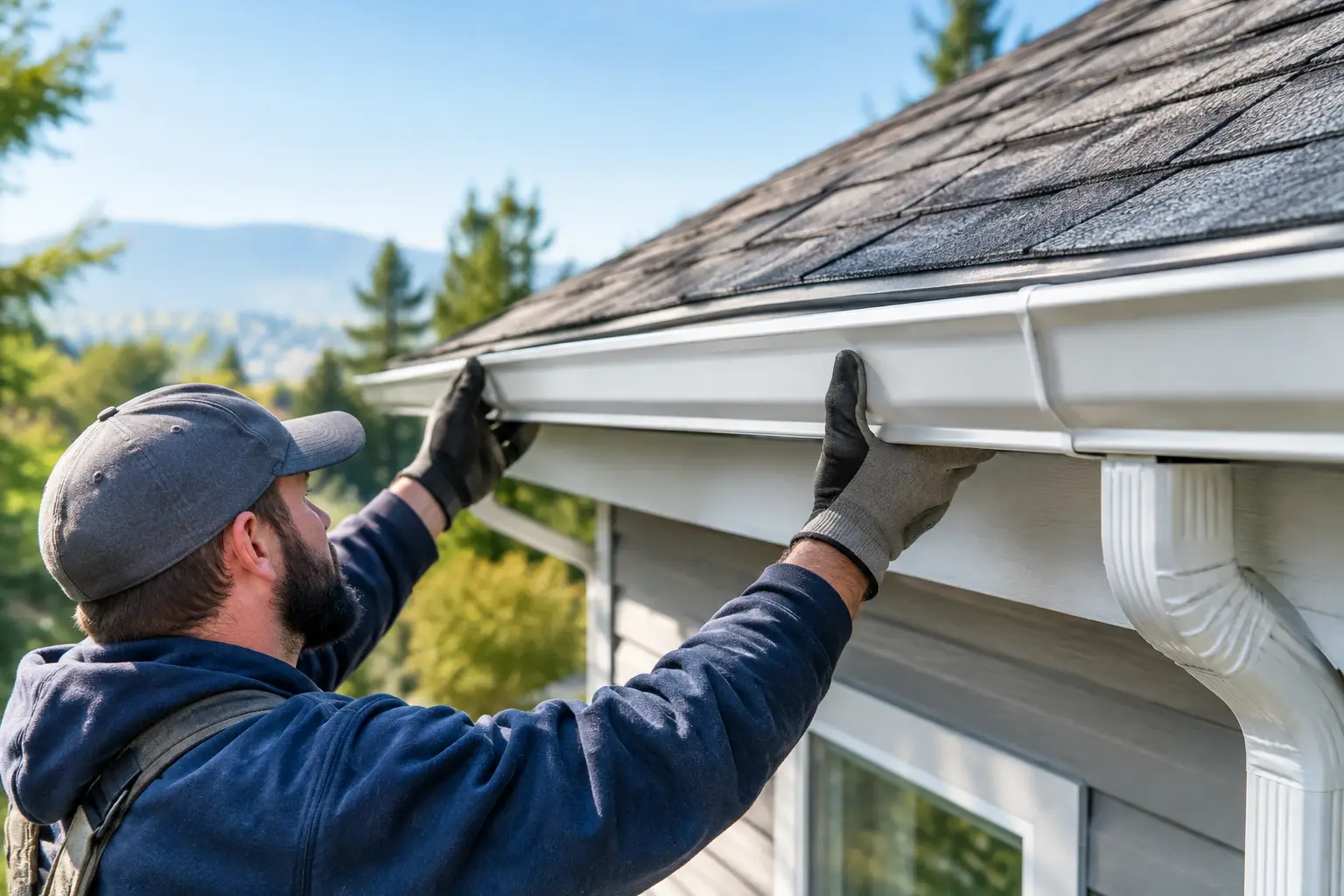
Water spilling over a gutter during a hard Medford rainstorm is more than an inconvenience. It can soak fascia boards, stain siding, wash out landscaping, and leave water too close to the foundation. Proper gutter installation Medford property owners can rely on gives rainwater a clear path away from the structure before small drainage problems turn into costly exterior repairs.
A gutter system does not need to be flashy to do its job well. It needs to be correctly sized, securely fastened, pitched for drainage, and finished with downspouts that carry water where it belongs. For homes and commercial properties across Southern Oregon, those details matter through wet winters, wind-driven storms, falling leaves, and hot, dry summers.
Why Gutter Installation in Medford Needs Local Planning
Medford’s weather can change quickly. Long dry stretches allow dust, leaves, and debris to build up in gutters, then seasonal rain arrives and tests the entire system at once. If gutters are too small, poorly pitched, clogged, or missing enough downspouts, water can overflow at the worst time.
The roof itself also affects drainage needs. A large roof plane, a steep pitch, or metal roofing can move rainwater quickly into the gutter. Metal roofing is a durable choice for Southern Oregon properties, but its smooth surface sheds water efficiently. That makes proper gutter sizing and placement especially important. A system that works on a small composition roof may not be the right fit for a larger roof or a home with broad eaves.
Good planning starts by looking at the complete exterior. The roofline, fascia condition, siding, grade around the house, existing drainage paths, and landscaping all help determine where water should go. The goal is simple: protect the home without creating a new problem at the bottom of a downspout.
What a Dependable Gutter System Includes
A quality gutter installation is more than attaching a long channel to the edge of the roof. Every component has a role in keeping water under control and maintaining a clean, finished appearance.
Proper Gutter Size and Slope
Most residential systems use 5-inch or 6-inch gutters, but the right choice depends on roof area and water flow. Larger gutters can be a practical investment for homes with steep roof sections, long runs, or areas that collect heavy runoff. Choosing the larger option is not always necessary, but undersizing a system can lead to repeated overflow problems that no amount of cleaning will solve.
Gutters also need a subtle slope toward the downspouts. Too little slope can leave standing water and debris inside the channel. Too much slope may look uneven from the ground and reduce curb appeal. A professional installation balances drainage performance with a straight, clean appearance along the roofline.
Secure Fastening and Sound Fascia
Gutters are only as dependable as the surface holding them. Before installation, the fascia should be checked for rot, loose sections, or prior water damage. Fastening new gutters to damaged wood can hide the issue temporarily, but it does not provide a lasting solution.
Strong hangers placed at appropriate intervals help the system resist the weight of water and debris. This is especially valuable on long gutter runs and on properties exposed to wind. A securely mounted system holds its shape, drains as intended, and looks better over time.
Downspouts That Move Water Away
Downspouts are where a gutter system either succeeds or falls short. They need to be placed where they can collect water efficiently, avoid entryways and walkways when possible, and discharge away from the foundation. Extensions, splash control, or a more directed drainage plan may be needed depending on the slope of the lot.
The number of downspouts matters too. One downspout may be enough for a short run, while a long roofline may need more than one to prevent water from backing up during heavy rain. The best approach depends on the property, not a one-size-fits-all layout.
Materials and Colors That Fit the Exterior
Aluminum gutters are a common choice because they are durable, lightweight, and available in colors that can complement roofing, trim, and siding. They provide a practical balance of performance and appearance for many local homes. Other material options may make sense for a particular design, budget, or commercial application.
Color selection should support the whole exterior rather than compete with it. Gutters can blend with the fascia for a clean look, match trim for a coordinated finish, or complement a metal roof or siding upgrade. When several exterior projects are planned, coordinating the materials early helps the finished property look intentional.
When It Is Time to Replace Gutters
Gutters do not always fail all at once. More often, a property owner notices a few warning signs that become harder to ignore after each storm. Water marks beneath the gutter line, peeling paint on fascia, soil erosion near the foundation, and persistent overflow are all reasons to take a closer look.
Visible sagging is another concern. It may point to failing hangers, excess weight, damaged fascia, or a gutter system that was not installed to handle the roof’s runoff. Separated seams, rust, cracks, and downspouts pulling away from the house also affect performance.
Cleaning can solve a debris problem, but it cannot correct the wrong gutter size, poor slope, deteriorated material, or a layout with too few downspouts. If the same trouble returns after routine maintenance, replacement or redesign is often the more sensible long-term choice.
A Professional Installation Protects the Details
A reliable gutter project begins with a site review and clear measurements. The contractor should look beyond the visible gutter line to identify drainage concerns, damaged trim, roof transitions, and areas where water has already affected the exterior. That allows the work to address the source of the problem instead of covering it up.
During installation, gutters are cut and fitted to the roofline, fastened securely, and pitched toward properly positioned downspouts. Corners, outlets, end caps, and connections must be sealed carefully to reduce leak points. The system should then be checked for alignment, secure attachment, and a finished appearance that fits the property.
For older homes, the job may reveal related repair needs. Replacing compromised fascia before hanging new gutters can protect the investment and prevent a new system from failing early. The same is true when worn roofing, damaged siding, or poor grading is contributing to water exposure. Addressing connected exterior issues together can be more efficient than completing separate repairs over several seasons.
Pair Gutters With the Right Exterior Improvements
Gutters are one part of a larger defense against weather. A sound roof sheds water. Fascia and siding protect the structure behind it. Gutters collect runoff, while downspouts direct it away from the building. When one part is weak, the others have to work harder.
This is why gutter installation can make sense alongside roofing, siding, or trim work. If a roof replacement is already planned, it is a good time to evaluate whether the existing gutters fit the new roofline and drainage needs. If siding is being repaired or replaced, correcting overflowing gutters first can help protect that new work.
Joe Hobson Construction provides practical exterior solutions designed around the way Southern Oregon properties handle weather. Clear communication, durable materials, and careful workmanship help homeowners make improvements that protect both the appearance and value of their property.
A free estimate is a good place to start if your gutters overflow, sag, leak, or simply no longer match the condition of the rest of your exterior. A careful look at the roofline and drainage path can help you choose a system that is built to handle the next hard rain with confidence.