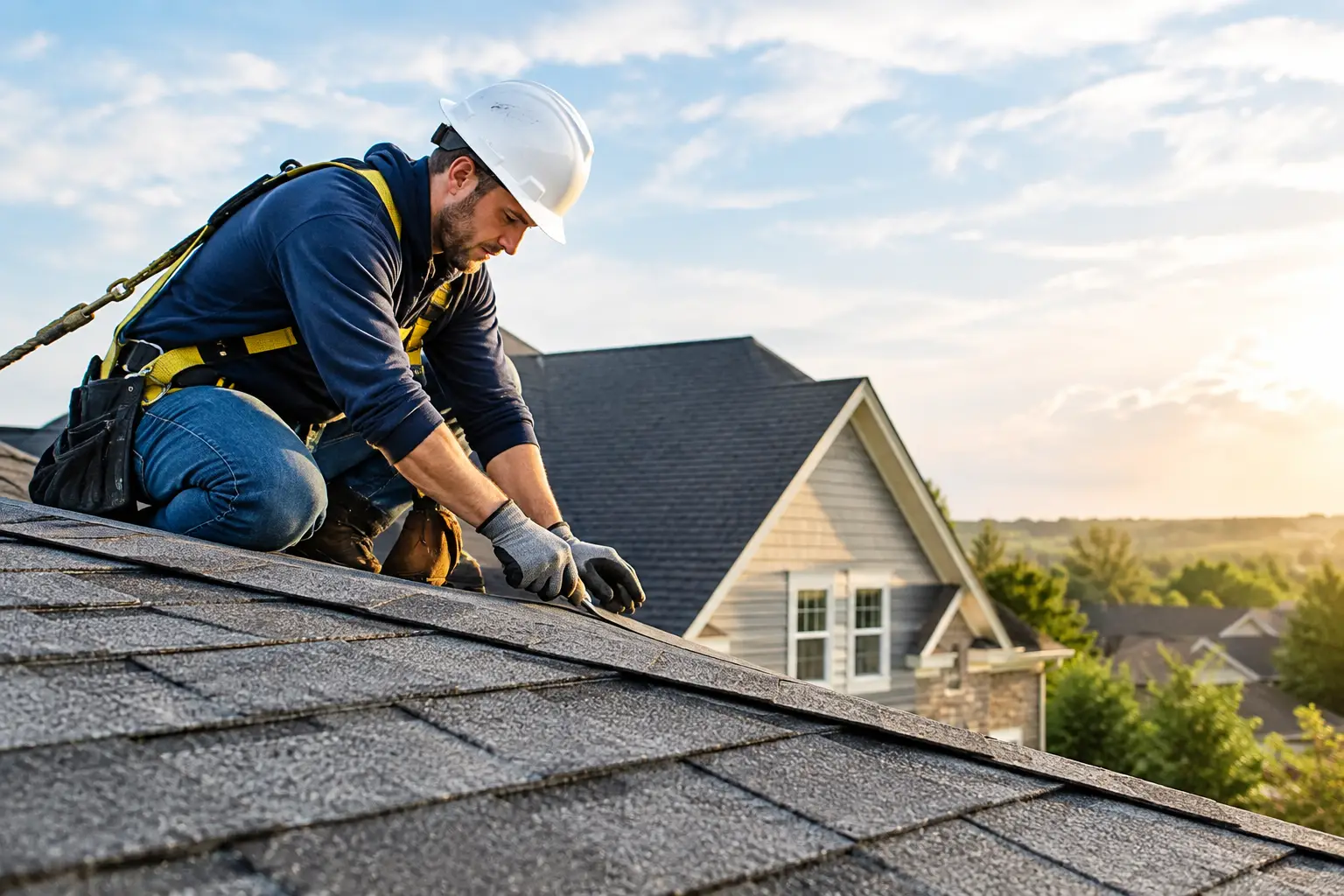
A roof problem rarely starts with water dripping into the living room. It often begins with a lifted shingle after wind, a small gap around flashing, granules collecting in gutters, or metal panels that were not properly detailed at an edge. Good roofing contractors look for those early warning signs before they become expensive damage to insulation, framing, ceilings, and finishes.
For property owners in Southern Oregon, the right roofing decision is about more than choosing a color or getting the lowest estimate. Your roof has to handle summer heat, winter rain, wind, debris, and the day-to-day exposure that slowly wears down every exterior surface. The contractor you choose should help you understand the condition of your roof, the realistic options, and the work needed to protect your property for the long term.
What Roofing Contractors Should Do Before Work Begins
A dependable roofing contractor starts with an honest assessment. That means inspecting the roof covering, penetrations, valleys, ridges, edges, flashing, drainage, and any visible signs of moisture or structural concern. A roof can look worn without being at the end of its useful life. On the other hand, a roof that appears acceptable from the ground may have failing flashing or hidden soft spots that call for prompt attention.
The estimate should explain what is included. Homeowners should know whether the scope covers tear-off, underlayment, flashing replacement, ventilation work, deck repairs if needed, disposal, and cleanup. Vague proposals make it hard to compare bids and can lead to surprises once the old roofing is removed.
Clear communication matters just as much as the materials. You should be able to ask why a repair is recommended, whether replacement can wait, and what could change the final cost. Some concealed damage cannot be confirmed until a roof is opened, but a professional contractor will explain that possibility upfront rather than using it as an excuse after the project begins.
Repair or Replacement: Which Makes Sense?
Not every issue requires a new roof. A targeted repair may be the right choice when damage is limited to a small area, the existing roof still has useful service life, and the surrounding materials are in sound condition. Replacing damaged flashing, repairing a localized leak, or addressing a few failed shingles can protect the home without the cost of a full reroof.
Replacement becomes the better value when repairs are becoming frequent, the roof is near the end of its service life, or problems are spread across multiple areas. Missing or curling shingles, recurring leaks, widespread granule loss, rusted or poorly installed metal details, and failing underlayment all point to a larger problem. Patching a roof that has reached that stage can postpone the inevitable while adding to the total cost.
The decision also depends on your plans for the property. If you expect to stay for many years, investing in a durable system may offer better peace of mind and reduce future maintenance. If you are preparing to sell, a roof in good condition can improve buyer confidence and curb appeal. There is no one answer for every building, which is why a careful inspection and straightforward recommendation are worth more than a quick sales pitch.
Choosing the Right Roofing Material
The best material depends on budget, architecture, maintenance expectations, and local weather exposure. A contractor should explain the trade-offs without pushing one option for every project.
Composition roofing remains a practical choice for many homes. It offers a familiar appearance, a range of colors, and an affordable path to reliable protection when installed with quality underlayment and flashing. It can be a strong fit for homeowners who want dependable performance without making a larger upfront investment.
Metal roofing is well suited to many Southern Oregon properties because it is durable, low maintenance, and built to handle demanding weather conditions. It can complement both rural and in-town homes, and it is available in profiles that range from clean, modern panels to styles with more traditional character. The initial cost is often higher than composition roofing, but its long service life may make it the better long-term value for the right property.
Wood shake and shingle roofing can bring warmth and natural character to a home, particularly when it matches the architecture and surrounding landscape. It also requires thoughtful material selection, proper installation, and ongoing maintenance. The best choice is not simply the product that costs the least or lasts the longest on paper. It is the roof system that fits your home, your budget, and your expectations for upkeep.
Installation Details That Protect the Whole Building
Roofing materials get most of the attention, but the details beneath and around them often determine how well a roof performs. Underlayment provides an added layer of protection. Flashing directs water away from chimneys, walls, vents, skylights, and valleys. Edge metal and properly finished transitions help keep rain from reaching vulnerable areas.
Ventilation is another part of the system that should not be ignored. Poor attic ventilation can contribute to excess heat and moisture, which may shorten the life of roofing materials and affect indoor comfort. The right approach depends on the home’s design, attic configuration, insulation, and existing venting. A contractor should assess the whole assembly instead of treating ventilation as an afterthought.
Drainage deserves the same attention. Gutters and downspouts carry water away from the roofline, siding, foundation, and walkways. If gutters are undersized, loose, clogged, or poorly placed, even a new roof can be exposed to unnecessary moisture at the eaves. Coordinating roofing and gutter work can create a cleaner appearance and a more complete solution.
Questions to Ask Roofing Contractors
Before signing a contract, ask how the contractor will protect landscaping, driveways, and nearby structures during the work. Ask who will supervise the job, how weather delays are handled, and how daily cleanup will be managed. These practical details tell you a great deal about how a company treats its customers and their property.
It is also reasonable to ask about materials, workmanship, permits when applicable, and how changes will be communicated. A clear answer is a good sign. Roofing is disruptive work, but it should not leave you guessing about the schedule, the scope, or the next step.
Be cautious with estimates that are dramatically lower than the rest. A lower price may reflect a different material, a thinner scope of work, omitted flashing, limited cleanup, or labor practices that do not support lasting results. The highest bid is not automatically the best either. Compare what each contractor is actually proposing, not just the number at the bottom of the page.
Why Local Experience Matters
Roofing requirements are shaped by local conditions. In Medford and throughout Southern Oregon, a roof needs to stand up to heat, rain, wind, and seasonal debris while still looking right on the home. Local experience helps a contractor recommend materials and details that make sense for the area rather than relying on a one-size-fits-all approach.
It can also be valuable to work with one contractor when several exterior projects connect. A roof replacement may reveal a need for gutters, siding repairs, small framing work, or improvements to a deck, fence, or patio. Coordinating those needs can help protect the property as a whole and create a more cohesive finished appearance.
Joe Hobson Construction provides that practical, local approach for homeowners and businesses that need durable roofing and exterior improvements. The goal is simple: clear communication, skilled workmanship, and materials selected to perform well over time.
Plan Before a Small Problem Grows
If you have noticed a stain on the ceiling, loose roofing, overflowing gutters, or an aging roof that has not been inspected in years, it is worth getting a professional opinion before the next hard rain. Early repairs are often simpler than damage that reaches the sheathing, framing, or interior of the building.
A good roof should let you stop thinking about the weather every time clouds roll in. Request a free estimate when you are ready to understand your options and choose work that protects your property with confidence.