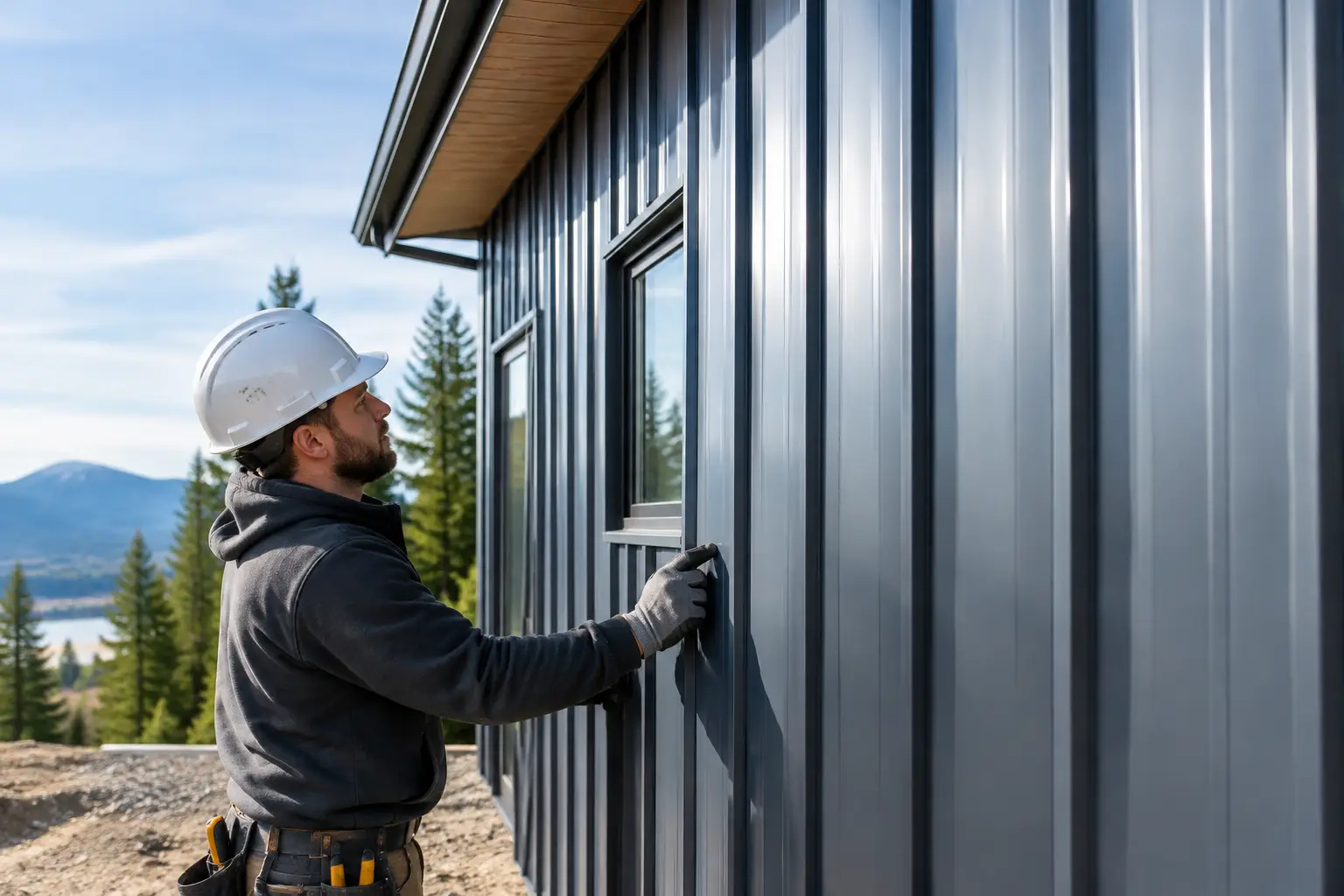
A Medford exterior can see hot, dry summer sun, wind-driven rain, cold nights, and seasonal temperature swings in a single year. Metal siding installation is not simply a matter of fastening panels to a wall. Done correctly, it is a complete weather-protection system that helps a home or business stay dry, look sharp, and hold its value over time.
For property owners replacing worn wood, damaged vinyl, or aging composite siding, metal can be a practical long-term choice. The material is durable, low-maintenance, and available in profiles and colors that work with both rural properties and modern commercial buildings. The result depends on the installation details behind the visible panels.
Why Metal Siding Makes Sense in Southern Oregon
Metal siding is built for owners who want less ongoing exterior maintenance without giving up curb appeal. Quality metal panels resist rot, insect damage, and the cracking or warping that can affect other materials after years of weather exposure. A properly finished metal system also sheds water effectively and can stand up well to the dry heat and changing conditions common around Medford.
It is not the right answer for every project without planning. Metal can show dents from severe impact, and its appearance depends heavily on careful layout and clean trim work. Some profiles create a more industrial look, while others offer a clean board-and-batten or lap-siding appearance. Choosing the right panel profile, color, and accent materials matters as much as choosing the metal itself.
For many homes, metal siding works especially well when coordinated with a metal roof, gutters, new windows, porch framing, or a fence upgrade. Planning connected exterior work together helps create a finished look and reduces the chance that one project damages another later.
Metal Siding Installation Starts Behind the Panels
A siding project should begin with a close look at the walls, not a panel order. Existing siding may need to come off so the structure can be checked for soft sheathing, water staining, insect damage, or framing problems. Covering a damaged wall only hides the issue until it becomes more expensive to repair.
Once the wall is sound, the installation team prepares a continuous weather-resistive barrier. This layer helps manage moisture that gets behind the siding and protects the wall assembly. Seams, penetrations, corners, and transitions need careful attention. Water does not need a large opening to cause trouble. A small gap around a window or an improperly lapped seam can direct water where it does not belong.
Flashing is another part of the system that should never be treated as an afterthought. Proper flashing at windows, doors, roof-to-wall areas, decks, and horizontal trim moves water back to the exterior. Metal siding may be tough, but the building still relies on good flashing to protect its framing and insulation.
Wall Repairs and Layout Matter
Before panels go up, walls should be reasonably flat and secure. Uneven framing, loose sheathing, or wavy existing surfaces can telegraph through the metal and make even premium material look poorly installed. Repairs made at this stage support a cleaner finished appearance.
Layout also determines how the completed wall looks. Panels should be measured and planned so cuts are balanced around windows and doors when possible. Straight lines at corners, consistent panel spacing, and well-fitted trim make a noticeable difference from the curb. These details are where experienced workmanship shows.
Choosing the Right Panel and Finish
Metal siding comes in several styles, and the best option depends on the building, budget, and desired appearance. Vertical panels are a popular choice for barns, shops, contemporary homes, and accent walls. Horizontal panels can provide a more traditional residential look. Corrugated profiles add texture and strength, while concealed-fastener systems create a cleaner, more refined finish.
Exposed-fastener panels are often a cost-effective option for garages, outbuildings, and some commercial structures. They can provide excellent performance when installed with the correct fasteners and spacing. Concealed-fastener panels generally cost more, but they reduce visible hardware and can be a better fit for homeowners seeking a more polished look.
Color selection deserves practical thought. Dark colors can make a strong statement, but they absorb more heat in direct sun and may make dust or scratches easier to notice. Lighter colors can help a building feel cooler and often suit traditional homes well. A color that complements the roof, trim, gutters, and surrounding landscape usually creates the best long-term result.
Details That Protect the Building
The visible face of a metal wall is only one component. Trim at the base, corners, windows, doors, and rooflines closes the system and protects vulnerable edges. It also allows for normal movement as metal expands and contracts with temperature changes.
Fasteners need to be compatible with the panel system and installed at the correct depth. Overdriving a screw can damage its sealing washer. Underdriving it can leave an opening for water. Fasteners placed out of line are not only distracting, but they can signal that the panel layout was rushed.
Ventilation and drainage are also worth considering, especially on walls that receive frequent weather exposure or have complex transitions. Depending on the wall assembly and siding profile, a drainage gap or rainscreen approach can help moisture escape and allow the wall to dry. The right approach depends on the building design, existing conditions, and local construction requirements.
Windows, Doors, and Rooflines Need Extra Care
Openings are where siding installations are most likely to fail if the work is rushed. Each window and door needs correctly integrated flashing, trim, and sealant where appropriate. Sealant is useful, but it should not be the only defense against water. A good installation relies on layered materials that direct water outward.
Roof-to-wall intersections deserve the same attention. If a new metal roof or roof repair is planned, it makes sense to coordinate that work with the siding project. Proper sequencing prevents damaged panels, awkward trim transitions, and water-management gaps where the roof meets the wall.
What Affects Metal Siding Installation Cost
The size of the building matters, but it is not the only cost factor. A simple rectangular wall with few openings takes less labor than a home with multiple corners, dormers, doors, bump-outs, and second-story areas. Tear-off and disposal, wall repairs, insulation upgrades, custom trim, panel type, and access can all affect the final estimate.
The lowest material price is not always the best value. Thin panels, poor-quality coatings, incompatible fasteners, or skipped flashing details can create problems long before a quality system should need attention. A clear estimate should explain what is included, identify any likely repair allowances, and give the owner a realistic picture of the work.
For commercial properties, operations may also affect scheduling and installation planning. Deliveries, customer access, exterior equipment, and occupied work areas should be considered before work begins. Good communication keeps the project organized and helps minimize disruption.
When to Replace Existing Siding
Faded color alone does not always mean siding must be replaced. However, soft wall areas, recurring leaks, cracked or warped panels, loose trim, pest damage, and visible rot are signs that a closer inspection is needed. Paint that repeatedly peels near windows or rooflines can also point to moisture problems behind the siding.
If the exterior is nearing the end of its service life, replacement offers an opportunity to correct issues that patch repairs cannot solve. It can also improve the property’s appearance in one project rather than spreading repairs over several years. Joe Hobson Construction can evaluate the existing exterior, discuss panel options, and provide a straightforward free estimate for Southern Oregon property owners.
A Long-Lasting Result Comes From Careful Work
Metal siding can provide decades of dependable performance, but only when the wall preparation, moisture control, panel layout, and finish details are handled as one system. It is a durable choice that rewards careful planning rather than shortcuts.
Before selecting a color or profile, have the building inspected and ask how the contractor will address flashing, wall repairs, trim, and drainage. Those practical answers will tell you far more about the quality of a metal siding project than a sample panel ever can.